
How Can I Build Confidence in Public Situations in Anaheim Hills?
If I want to feel more confident when I’m out in public, where do I even start?
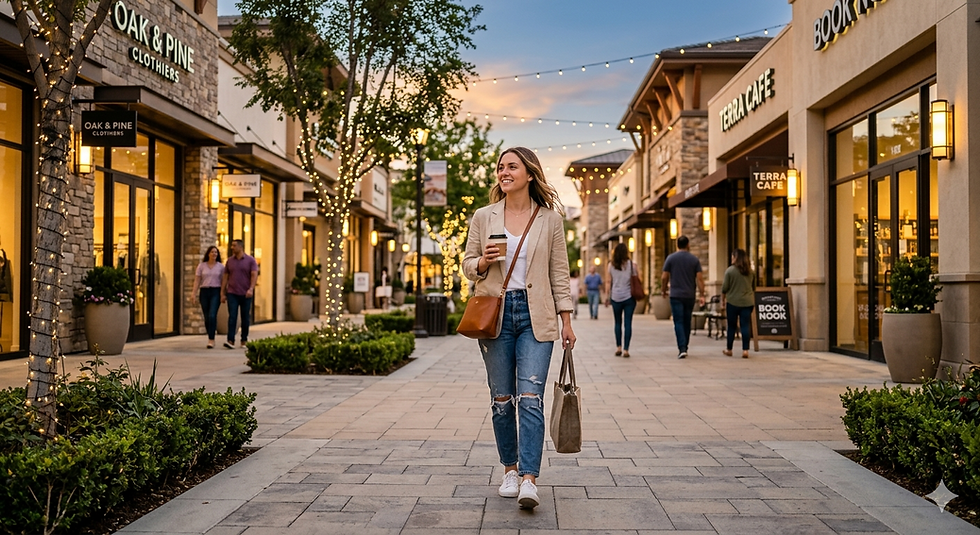
For many people in Anaheim Hills, confidence isn’t about being fearless — it’s about feeling comfortable, aware, and in control of everyday situations. Whether walking through a parking lot, visiting a shopping center, or simply moving through unfamiliar environments, confidence plays a big role in how we experience those moments.
The good news is that confidence is not something you either have or don’t have.
It’s something you build.

Confidence Starts with Awareness
Confidence doesn’t come from ignoring your surroundings — it comes from understanding them.
When you’re aware of:
where you are
who is around you
what’s happening nearby
you naturally feel more in control.
That sense of control reduces uncertainty — and uncertainty is often what causes discomfort.
Small Habits Create Big Changes
Confidence is built through small, consistent habits.
Simple actions like:
walking with purpose
keeping your head up
making brief eye contact when appropriate
avoiding distractions like constantly looking at your phone
can shift how you feel — and how others perceive you.
These habits don’t require effort once they become routine.
Managing the Internal Dialogue
Confidence is often shaped by what’s happening internally.
Thoughts like:
“What if something happens?”
“I’m not sure what I would do”
can create hesitation.
Instead, shifting toward:
“I can handle this situation”
“I know what to look for”
helps build a more stable mindset.
Confidence grows when your internal response becomes more supportive.
Understanding That Most Situations Are Normal
One of the biggest confidence killers is assuming every unfamiliar situation is a threat.
In reality:
most environments are safe
most interactions are normal
most people are simply going about their day
Recognizing this helps reduce unnecessary tension while still maintaining awareness.
Practicing Decision-Making in Advance
Confidence improves when you’ve already thought through potential situations.
For example:
What would I do if something felt off?
Where would I go if I needed to create distance?
How would I respond if someone approached me?
You don’t need perfect answers — just a general plan.
That clarity reduces hesitation.
Building Confidence Through Experience
The more you move through different environments with awareness, the more natural it becomes.
Over time, you’ll notice:
less hesitation
faster decision-making
greater comfort in public spaces
reduced emotional reaction
Confidence is built through repetition — not a single moment.
A Simple Confidence Framework
If you want a simple approach, think:
Stay present
Observe your environment
Trust your instincts
Make small adjustments if needed
Continue moving with purpose
Confidence is not about control over everything.
It’s about control over your response.
Why Confidence Matters
Confidence changes how you move through the world.
It allows you to:
feel more comfortable in public
make clearer decisions
reduce stress in unfamiliar situations
stay in control without overreacting
Preparedness is not about expecting problems.
It’s about feeling ready if something does happen.
If you’re interested in building confidence in a structured and supportive environment, United Defense Tactical Anaheim Hills offers a complimentary introductory session. This provides an opportunity to experience how training helps individuals develop awareness, decision-making skills, and confidence in everyday situations.
You can review the details of the free introductory session here:
Frequently Asked Questions About Building Confidence
How can I feel more confident in public situations?
I can build confidence by staying aware of my surroundings, developing small daily habits, and practicing how I would respond in different situations. Over time, these actions become natural and help me feel more in control when I’m out in public.
Is confidence something I can learn or is it natural?
Confidence is something I can learn. It develops through experience, awareness, and repetition. The more I practice being present and making small decisions in everyday environments, the more confident I become.
Why do I sometimes feel uncomfortable in public?
Discomfort often comes from uncertainty. If I’m not sure what’s happening around me or how I would respond, it can create hesitation. Building awareness and thinking through situations ahead of time helps reduce that feeling.
How long does it take to build confidence?
Confidence develops gradually. Some people notice small improvements quickly, but long-term confidence comes from consistent habits and repeated exposure to everyday situations.
Does training help improve confidence?
Yes, structured training helps me understand how to interpret situations and respond effectively. This reduces uncertainty and builds confidence over time, especially in unfamiliar environments.


Comments